

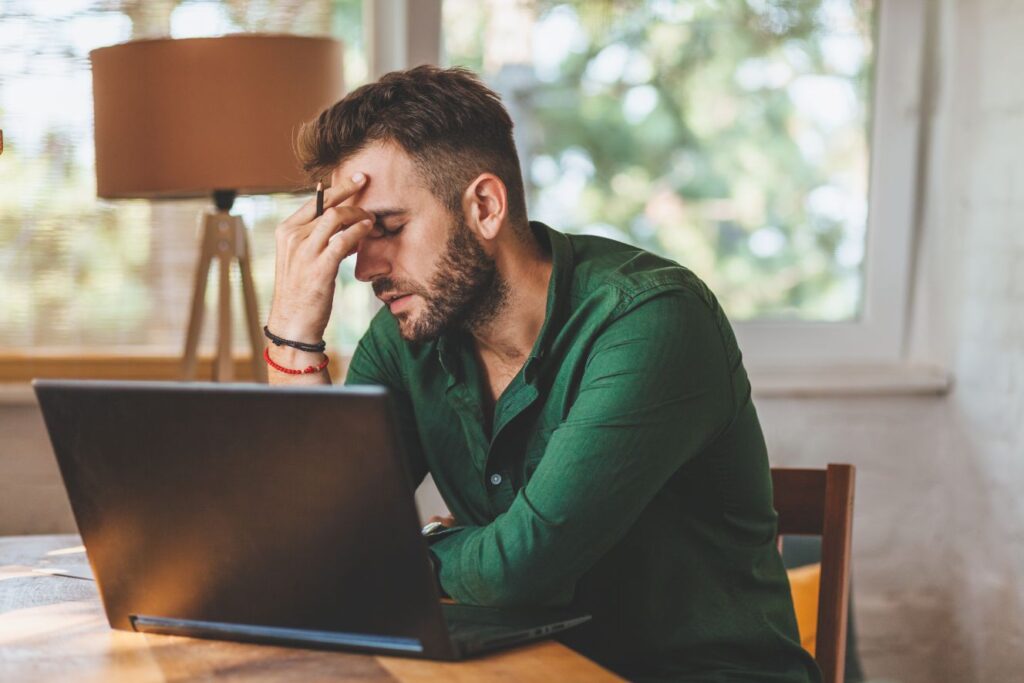
Stress is part of life - brief periods of tension can even make us more efficient. But when stress becomes chronic, your body sends clear warning signals. These stress symptoms range from physical complaints and emotional signs to changes in behavior. If you recognize them early, you can take timely countermeasures and avoid long-term consequences.
Many people ask themselves: "How can I tell if I'm really stressed?" The answer: Your body and your psyche are clearly making themselves known.
Common stress symptoms are
These symptoms often occur in combination - and should not be ignored.
Physical complaints are among the first warning signs. They arise because stress hormones such as cortisol put a permanent strain on the body.
Typical physical stress symptoms:
These symptoms usually don't go away on their own. They show you that your body is in urgent need of rest.
Stress not only affects the body, but also the mind. Particularly dangerous: the emotional symptoms often creep in unnoticed.
Typical emotional stress symptoms are
If you recognize yourself here, it's high time to pause and reflect on your stress triggers.

Stress also affects how you act. You may reach for sweets or alcohol more often, sleep restlessly or withdraw from friends.
Other typical behavioral symptoms:
Such patterns often exacerbate the stress - a vicious circle that you should break early on.
| Stress symptoms | Burnout symptoms |
|---|---|
| Limited in time, often situation-dependent | Permanent, regardless of the situation |
| Physical complaints (e.g. headaches or back pain) | Deep exhaustion, both physically and mentally |
| Irritability, nervousness | Feeling of inner emptiness |
| Performance still available | Slump in performance and withdrawal |
Many people get used to their symptoms and blame them on "a stressful day". But untreated stress can have serious consequences: Burnout, depression or physical illness are often the consequence.
Therefore: The earlier you recognize your stress symptoms, the easier it is to find your way back to more balance and quality of life.
If you recognize yourself in the symptoms described, a test can help you to better classify your situation. Our free burnout test shows you in just a few minutes where you currently stand - whether in balance, in the warning signs or already in a stressful phase. This gives you valuable orientation to work specifically on your inner balance.
The good news is that stress can be effectively reduced. Even small changes can make a big difference.
Possible steps:
Also read our Articleto get to know specific exercises.
Stress symptoms are more than just annoying side effects - they are valuable indications from your body and soul. If you take them seriously, you can take timely countermeasures and improve your quality of life in the long term.
Which stress symptoms are most common?
Headaches, sleep disorders, inner restlessness and tension are among the most common stress symptoms.
Can stress cause physical pain?
Yes, stress hormones often lead to muscle tension, headaches and stomach problems.
What is the difference between stress and burnout?
Stress is often temporary, while burnout is a deep state of exhaustion that usually requires professional help.
What can I do immediately to combat stress?
Short breathing exercises, exercise in the fresh air and conscious breaks help to reduce acute stress.